Advanced Human‑Machine Interfaces and Control Strategies
for Next Generation Wearable Robots

📅 August 1, 2026 📍 Edmonton, Canada BIOROB 2026 – Half-Day Workshop

About

Wearable robots, such as robotic exoskeletons and prostheses, are rapidly transitioning from research prototypes to functional devices impacting healthcare, industry, and daily life. On one side, advances in surgical techniques and implantable technologies have enabled highly integrated bionic limbs; on the other side, AI‑driven or neuromuscular‑informed shared control strategies are opening new possibilities for adaptable, task‑agnostic wearable robots.

Despite significant progress in mechatronic hardware, the human‑machine interface (HMI) remains a critical bottleneck for achieving seamless, intuitive, and safe operation. How can engineers finely tune system autonomy to preserve the user’s sense of motor agency? What breakthroughs are redefining the ways humans interface with wearable robots? And what design strategies will shape the roadmap for the next generation of these devices?

This half‑day workshop will convene leading experts from academia, industry, and clinical practice to address these questions and more. Discussions will cover advances in multimodal sensing, biosignal decoding, shared control architectures, and adaptive AI‑based controllers, approaches aimed at enhancing functionality while safeguarding user agency and ensuring intuitive, seamless interaction.

Through invited talks, interactive panels, and hands‑on discussions, participants will gain insights into state‑of‑the‑art methods and emerging research directions, fostering collaborations across disciplines. The workshop will provide an inclusive platform for early‑career researchers, clinicians, engineers, and users to exchange ideas, address challenges, and shape the future of wearable robotics.

Program

Illustrative Morning Session (or Afternoon 2 - 6 pm)

TimeActivity
09:00 – 09:15🗣️ Welcome & Opening Remarks
09:15 – 09:30🎤 Keynote Talk 1
09:30 – 09:45🎤 Keynote Talk 2
09:45 – 10:00🎤 Keynote Talk 3
10:00 – 10:15🎤 Keynote Talk 4
10:15 – 10:45☕📋 Coffee Break and Poster/Demo Session
10:45 – 11:00🎤 Keynote Talk 5
11:00 – 11:15🎤 Keynote Talk 6
11:15 – 11:30🎤 Keynote Talk 7
11:30 – 12:15💬 Panel Discussion - Who’s leading motion? Embedding Intelligence in Wearable Robots
12:15 – 12:30🗣️ Closing Remarks

Speakers

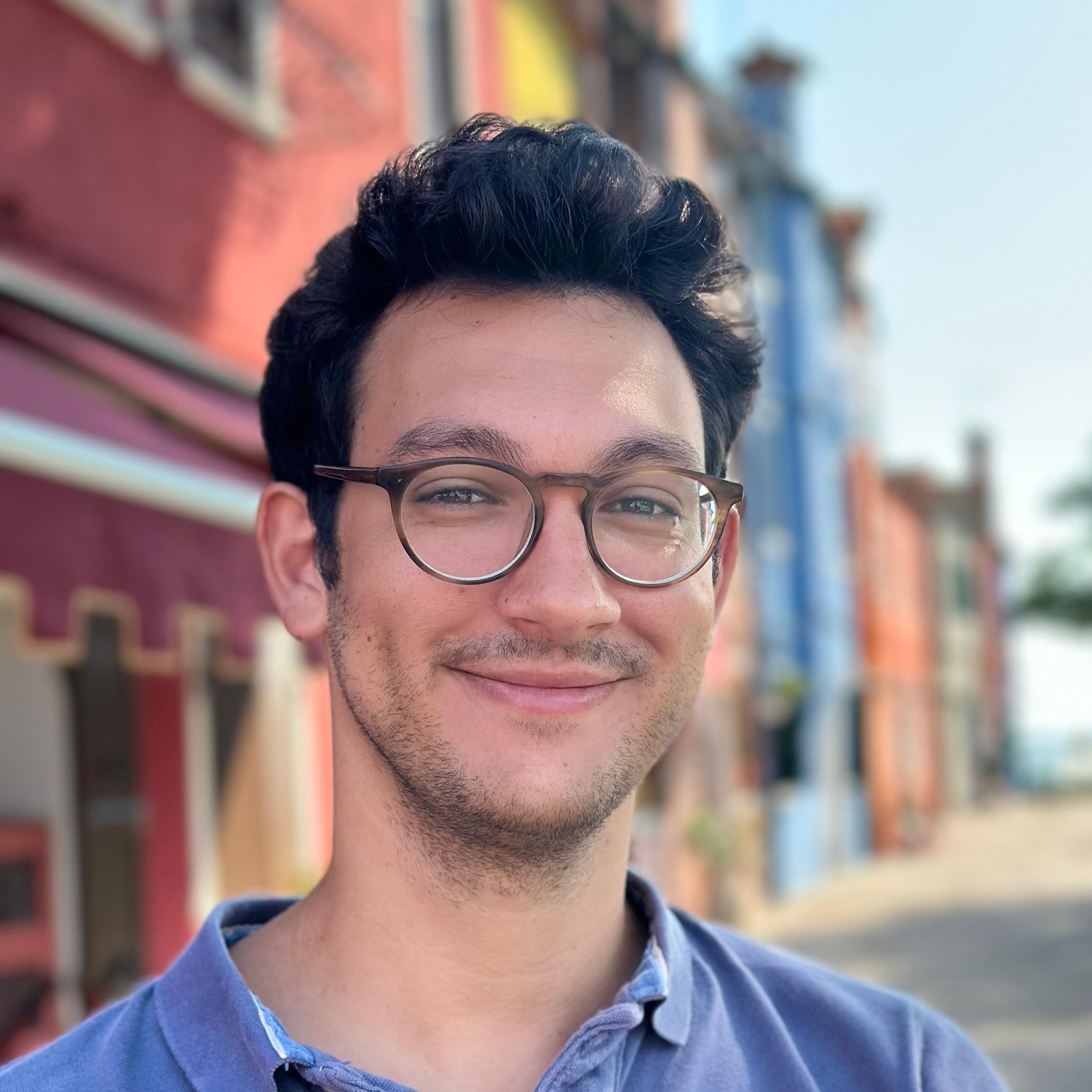
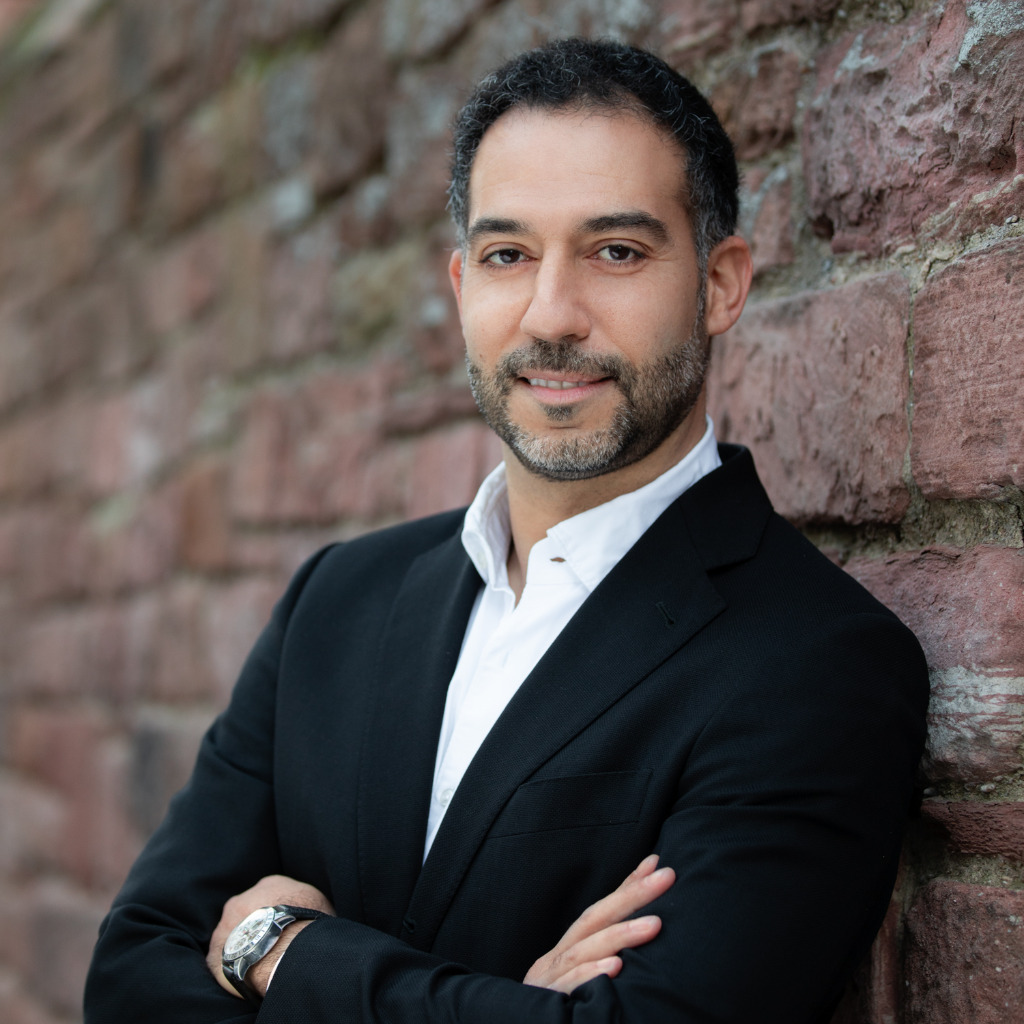
Prof. Guillaume Durandau Prof. Guillaume Durandau
McGill University
Modelling the human neuromusculoskeletal system for human-machine interaction
Prof. Guillaume Durandau

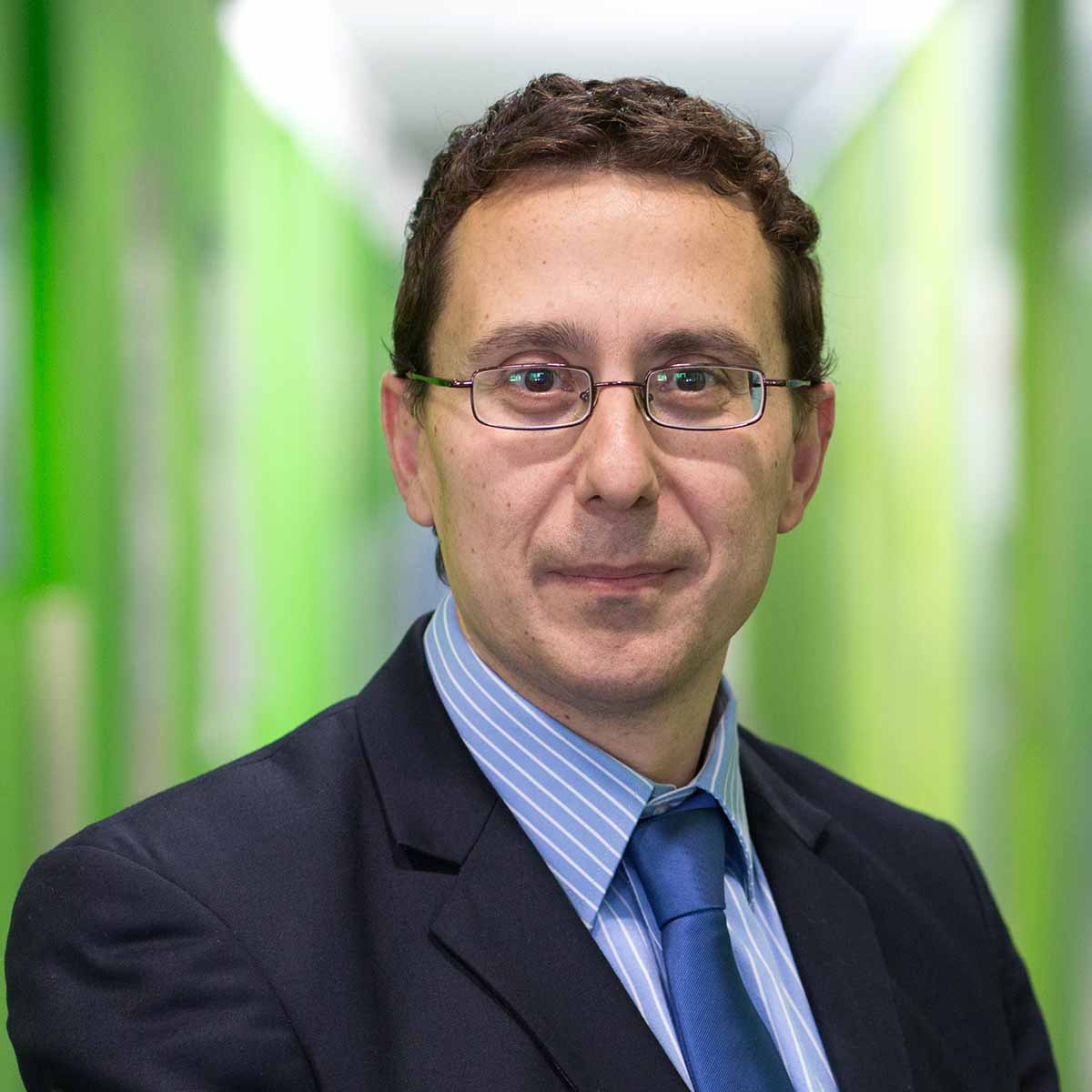
Guillaume Durandau, PhD, is an Assistant Professor at the Department of Mechanical Engineering, McGill University, Canada and a researcher affiliated with the Centre for Interdisciplinary Research in Rehabilitation of Greater Montreal (CRIR) at the Jewish Rehabilitation Hospital. Dr. Durandau's research aims to enhance human mobility and restore motor function in individuals with neurological or musculoskeletal impairments by combining biomechanics, neuroscience, and robotics. His contributions emphasize intuitive control strategies, neuromechanical modelling, and user-centred design, enabling more adaptive and effective assistive technologies in both clinical and real‑world environments. He is an FRQS research scholar - Junior 1, and has been awarded the Best Demo Award at BioRob 2018 and the Best Doctoral Thesis Award by the European Society of Biomechanics in 2021.

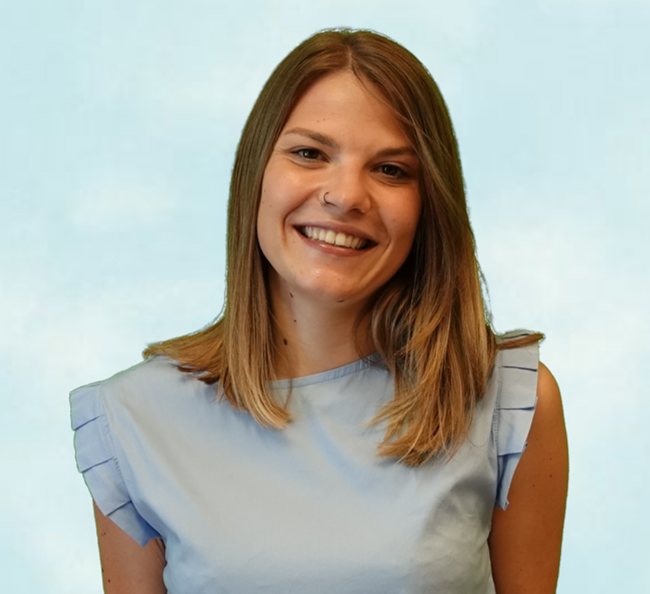
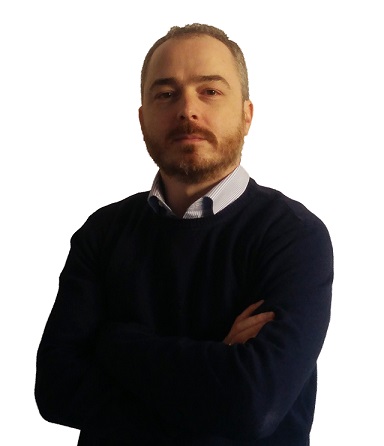
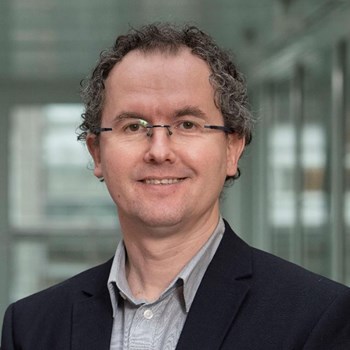
Dr. Enrica Tricomi Dr. Enrica Tricomi
Technical University of Munich
Enhancing Human Performance via Soft Wearable Robotics and Machine Learning.
Dr. Enrica Tricomi

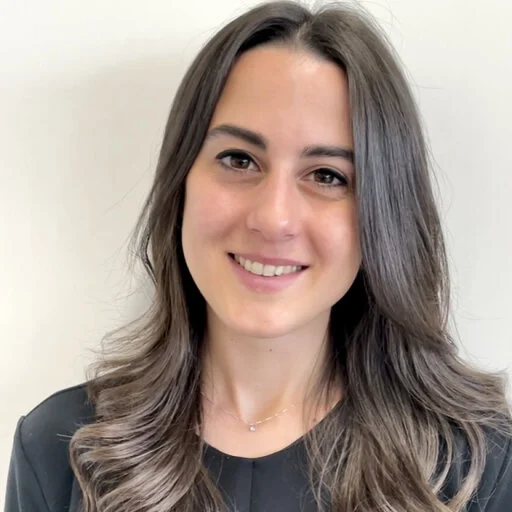
Enrica Tricomi received the bachelor's and the master's degrees in biomedical engineering from Politecnico di Torino, in 2017 and 2019, and the Ph.D. degree in biorobotic engineering from Heidelberg University, in 2025 (advisor Prof. L. Masia). During her PhD she worked on developing wearable exosuits for lower-limb assistance across wellness, sport, and clinical applications, combining hardware design, embedded control, and multimodal sensing. Currently she is a postdoctoral researcher at TUM, focusing on hybrid assistive robotic systems and supporting the coordination of lower limb related research projects. This coming October she will start as Assistant Professor in Biomechanical Engineering at the Department of Mechanical Engineering of TUM. In 2024, she was the recipient of the IEEE RAS Outstanding Student Leadership Award for contributions to the Robotics and Automation Society and in 2026 the Bertha-Benz Preis for her PhD dissertation.

Prof. Strahinja Dosen Prof. Strahinja Dosen
Aalborg University
Cloud-connected bionic limbs
Prof. Strahinja Dosen

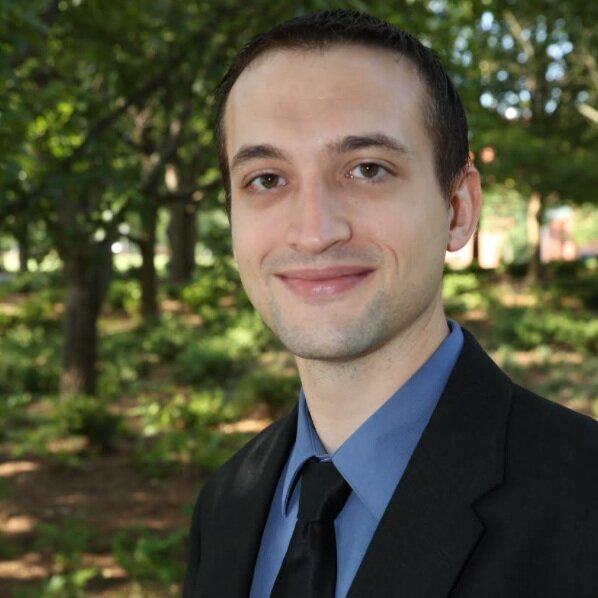
Strahinja Dosen received the Diploma of Engineering in Electrical Engineering and the M.Sc. degree in Biomedical Engineering in 2000 and 2004, respectively, from the Faculty of Technical Sciences, University of Novi Sad, Serbia, and the Ph.D. degree in Biomedical Engineering from the Center for Sensory-Motor Interaction, Aalborg University, Denmark, in 2009. From 2011 to 2017, he worked as a Research Scientist at the Institute for Neurorehabilitation Systems, University Medical Center Gottingen, Germany, and then as an Associate Professor at the Department of Health Science and Technology (HST), Aalborg University (AAU). Currently, he is a Full Professor in the same Department and leads a research group on Neurorehabilitation Systems. Prof. Dosen was a principal investigator for AAU and HST in several EU (Tactility, Wearplex, Sixthsense, SimBionics, and Growt5) and nationally funded (Robin, Remap, Climb, NeuroMate) projects. He published more than 130 manuscripts in peer-reviewed journals, and his main research interest is the closed-loop control of assistive robotic systems.

Prof. Aaron Young Prof. Aaron Young
Georgia Institute of Technology
Solving the big data issues with data-driven control strategies for wearable robotics: A comprehensive domain adaptation approach
Prof. Aaron Young

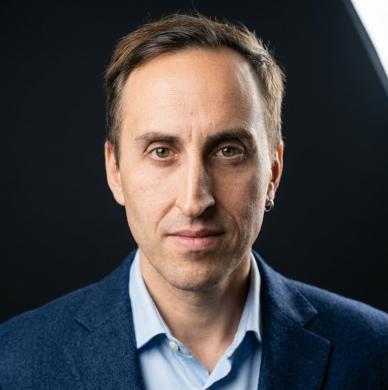
Aaron Young is an Associate Professor and Woodruff Faculty Fellow and James R. and Sarah R. Borders Faculty Fellow in the Woodruff School of Mechanical Engineering at Georgia Tech. He has directed the Exoskeleton and Prosthetic Intelligent Controls (EPIC) lab since 2016. Dr. Young received his MS and PhD degrees in Biomedical Engineering with a focus on neural and rehabilitation engineering from Northwestern University in 2011 and 2014 respectively. He received a BS degree in Biomedical Engineering from Purdue University in 2009. He also completed a post-doctoral fellowship at the University of Michigan in the Human Neuromechanics Lab working with lower limb exoskeletons and powered orthoses to augment human performance. His research area is in advanced control systems for robotic prosthetic and exoskeleton systems for humans with movement impairment. He combines machine learning, robotics, human biomechanics, and control systems to design wearable robots to improve the community mobility of individuals with walking disability. He has received an NIH New Innovator Award (DP2), NIH NCMRR New Investigator award and IEEE New Faces of Engineering award, and his EPIC lab group won the International VIP Consortium Innovation Competition. He is a Senior Member of the IEEE and National Academy of Inventors (NAI).

Prof. Leonardo Cappello Prof. Leonardo Cappello
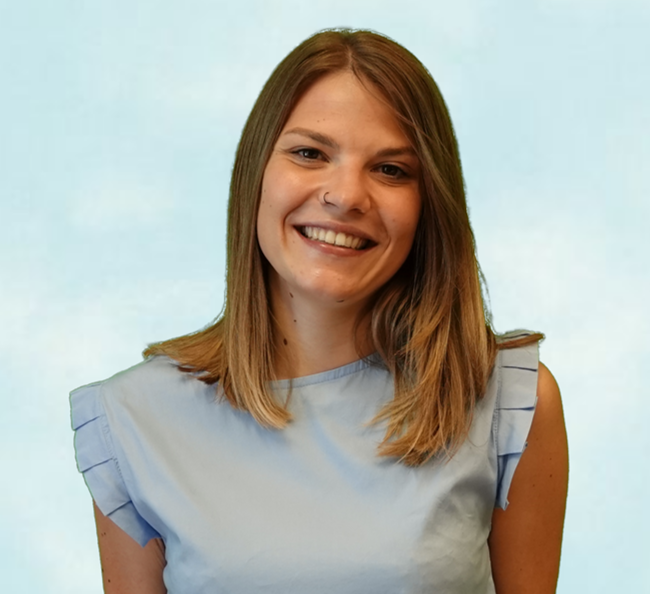
Scuola Superiore Sant'Anna
Muscoloskeletal Expansion through an Osseointegrated Implant
Prof. Leonardo Cappello

Leonardo Cappello is a Tenure-Track Assistant Professor at the BioRobotics Institute - Scuola Superiore Sant'Anna, Italy, where he leads the Textile Robotics Lab. He works on the design of textile-based robotic wearables for human sensorimotor restoration and augmentation. His research interests include haptics, assistive and rehabilitation robotics, prosthetics and orthotics, and motor neurosciences. He was recently awarded with the European Research Council Starting Grant (ERC StG) for the project MUsculoSkeletal Expansion (MUSE). Leonardo Cappello graduated in Mechanical Engineering (BS) and in Biomedical Engineering (MS) at the University of Florence, Italy. He accomplished his PhD in "Robotics, Cognition and Interaction Technologies" at the Italian Institute of Technology. During his PhD, he was visiting student at the Nanyang Technological University, Robotics Research Centre, Singapore. He was then Postdoctoral Researcher at Harvard University and the Wyss Institute for Biologically Inspired Engineering, where he worked on soft wearable robots for upper limb sensorimotor restoration. He was also Postdoctoral Researcher at the BioRobotics Institute - Scuola Superiore Sant'Anna - investigating advanced robotic prostheses and prosthetic techniques for the upper extremities.

Dr. Marta Gherardini Dr. Marta Gherardini

Scuola Superiore Sant’Anna
The Myokinetic Interface: A bi-directional neural machine interface
Dr. Marta Gherardini

Marta Gherardini is an Assistant Professor at The BioRobotics Institute of Scuola Superiore Sant'Anna, Pisa, Italy. Her research focuses on biomedical robotics, prosthetics, and human-machine interfaces, with particular emphasis on developing next-generation control and sensory feedback technologies for upper-limb prostheses based on implantable magnets. She received her PhD in Biorobotics with honors from Scuola Superiore Sant'Anna in 2022, and has contributed to several national and European research projects on wearable robotics and prosthetic technologies. She has authored and co-authored numerous publications in leading international journals, including Science Robotics and Science Advances, serves as Associate Editor for IEEE Transactions on Neural Systems and Rehabilitation Engineering, and is actively involved in the international robotics and rehabilitation research community.

Prof. Levi Hargrove Prof. Levi Hargrove
Shirley Ryan Ability Lab and Northwestern University
The Struggle is Real: Development and Translation of Bionic Limb Technology
Prof. Levi Hargrove

Levi J. Hargrove, PhD, P.Eng, received his MScE and PhD in Electrical Engineering from the University of New Brunswick (2005, 2008). He is currently the Director of Center for Bionic Medicine at the Shirley Ryan AbilityLab, formerly the Rehabilitation Institute of Chicago (RIC), and a Professor in the Departments of Physical Medicine & Rehabilitation and the McCormick School of Engineering at Northwestern University. His research interests include signal processing, pattern recognition, and control of bionic limbs. A major goal of his research is to develop clinically realizable myoelectric control systems that can be made available to persons with limb loss in the near future. In 2012, Dr. Hargrove co-founded Coapt, a company to commercialize control algorithms for prosthetics and orthotics. His research addresses all levels of amputation and has been published in the Journal of the American Medical Association and the New England Journal of Medicine and has resulted in multiple patents. Key projects include the development of advanced and adaptive control systems for prosthetic legs, improving control of robotic hand prostheses, and intramuscular EMG signal processing.

Organizers

Dr. Federico Masiero Dr. Federico Masiero
Technical University of Munich
federico.masiero@tum.de
Dr. Marta Gherardini Dr. Marta Gherardini
Scuola Superiore Sant’Anna
marta.gherardini@santannapisa.it
Dr. Enzo Mastinu Dr. Enzo Mastinu
Scuola Superiore Sant’Anna
enzo.mastinu@santannapisa.it
Prof. Dr. Marco Controzzi Prof. Dr. Marco Controzzi
Scuola Superiore Sant’Anna
marco.controzzi@santannapisa.it
Prof. Dr. Lorenzo Masia Prof. Dr. Lorenzo Masia
Technical University of Munich
lorenzo.masia@tum.de
Prof. Dr. Christian Cipriani Prof. Dr. Christian Cipriani
Scuola Superiore Sant’Anna
christian.cipriani@santannapisa.it

Submissions

📄 Submit Abstract

  • Deadline: 30/06/2026
  • ✉️ Contacts: federico.masiero@tum.de, marta.gherardini@santannapisa.it
  • 🧾 Subject email: [BioRob26 Advanced HMIs Workshop Abstract Submission]
  • 📐 Poster Format:84.1 cm x 118.9 cm
  • 📎 Template: 2-page abstract using IEEE transactions template
  • 🔗 Submission procedure: via email

Send via email

🤖 Submit Demo

  • Deadline: 30/06/2026
  • ✉️ Contact: federico.masiero@tum.de, enzo.mastinu@santannapisa.it
  • 🧾 Subject email: [BioRob26 Advanced HMIs Workshop Demo Submission]
  • ⚙️ Instructions: include needed and brought equipement, 2-page abstract (IEEE format) and video of the Demo
  • 🔗 Submission procedure: via email

Send via email

Technical University of Munich MIRMI Scuola Superiore Sant'Anna The Biorobotics Institute Biorob 2026 Vienna

CalendarInvite.ics